The AI power crunch is forcing Big Tech to abandon its climate script
09/15/2026 / By Cassie B.
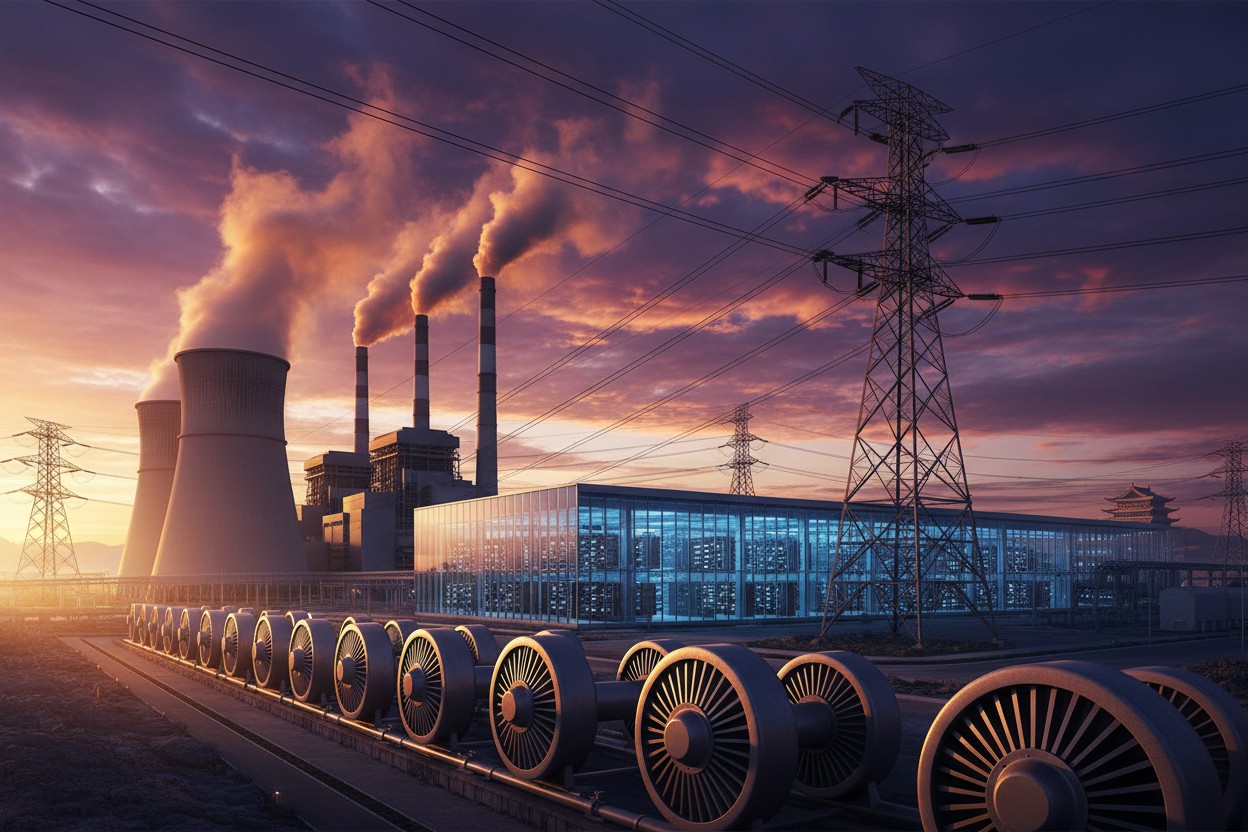
- Amazon is building a natural gas plant in Pecos County, Texas that could become the nation’s largest single source of carbon emissions.
- The facility will use 35 turbines to generate more than 7 gigawatts, surpassing the Grand Coulee Dam’s output.
- Meta has walked away from its RE100 renewable energy pledge while funding ten gas plants for its Louisiana data center.
- Researchers found a wind, solar and battery-only grid would cost seven times more and require far more land than gas and nuclear.
- Tech leaders including Musk and Zuckerberg are now prioritizing reliable power over renewable energy commitments.
Facing surging electricity demand from artificial intelligence, tech giants are quietly abandoning the clean-energy pledges they once championed. Amazon is now building what could become America’s largest carbon-emitting power plant — a sprawling natural gas facility in Pecos County, Texas. The project, which calls for 35 turbines generating more than 7 gigawatts of electricity, illustrates the widening gap between corporate climate rhetoric and the physical demands of powering the AI boom.
Natural gas becomes Big Tech’s default power source
Amazon’s Pecos County plant will produce more electricity than the Grand Coulee Dam, one of the nation’s largest hydroelectric projects. State permits allow the facility to release 33 million tons of greenhouse gases annually, which is roughly double the emissions of a major Alabama coal plant that has long topped America’s pollution rankings.
Energy consultancy Enverus Intelligence Research projects that company-owned turbines will supply about 40% of new data center capacity through 2030. Microsoft has already secured power from a Chevron gas plant in neighboring Reeves County. When servers must run around the clock, natural gas offers a level of reliability wind and solar have yet to match.
Meta drops its renewable energy pledge for Louisiana buildout
Meta’s reversal is especially striking. In 2021, the Facebook parent company called climate change one of the world’s most urgent challenges and cast itself as one of the largest corporate buyers of clean electricity.
Since then, its Hyperion data center complex in Louisiana has told a different story. Louisiana regulators signed off on three natural gas plants for the site in August 2025, and by March 2026 Meta had tripled that commitment, funding seven more plants and pushing its total investment to nearly $11 billion. The company has also formally withdrawn from RE100, the global pledge under which major corporations committed to sourcing all their electricity from renewable sources — a commitment Meta made in 2016.
Grid math undercuts the case for renewables-only power
The numbers behind Big Tech’s pivot are hard to ignore. At the start of 2026, every grid-scale battery in the United States combined could meet national electricity demand for only 15 minutes.
Economist Jonathan Lesser and analyst Mitchell Rolling modeled the PJM power system, which covers most of the Mid-Atlantic and parts of the Midwest, through 2045. They found that a grid built solely on wind, solar and batteries would need 10 times the generating capacity of gas and nuclear power, cost roughly seven times as much, and require more land than PJM’s entire service territory.
Even Elon Musk, who built his career on the idea that combustion technology was on its way out, has acknowledged the shortfall. Speaking to G20 ministers, he warned of a looming power shortage next year and defended new data center construction against public criticism. Meta’s Mark Zuckerberg, addressing the same gathering, pressed governments for more electricians and more electricity, not more wind turbines or solar panels.
Google’s latest sustainability report tells a similar story. The company once pledged to reach net-zero emissions by 2030. Instead, its calculated 2025 emissions climbed to roughly 14.5 million metric tons — an 18% jump from the year before — driven largely by supply chains supporting its AI expansion.
None of this settles the broader climate debate. But it does confirm something skeptics of the “green transition” have said for years: When the lights actually need to stay on, even the companies that lectured loudest about renewable purity reach for natural gas. The same activists and regulators who spent a decade shaming coal and gas as moral failures are now watching the industry’s most sanctimonious players quietly do exactly what critics warned would be necessary all along. It’s a reminder that energy policy built on slogans eventually meets a grid that doesn’t care about branding — only about whether the power stays on.
Sources for this article include:
Submit a correction >>
Tagged Under:
AI, Amazon, Big Tech, carbon dioxide, climate change, Collapse, computing, deception, electricity, energy supply, environment, fuel supply, future tech, Google, green energy, meta, natural gas, power, power grid, power plants, propaganda, supply chain, tech giants, technocrats, traitors
This article may contain statements that reflect the opinion of the author
RECENT NEWS & ARTICLES